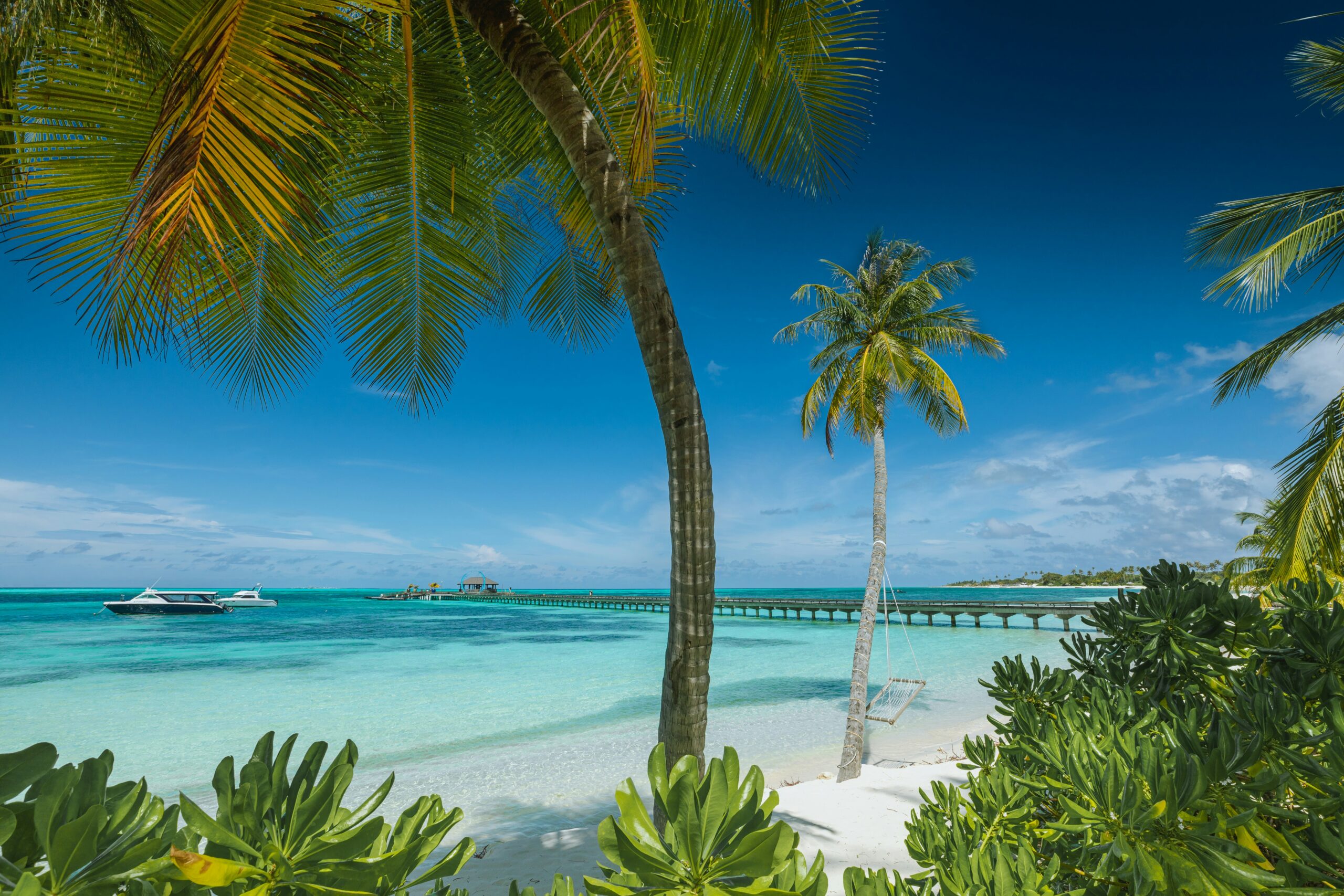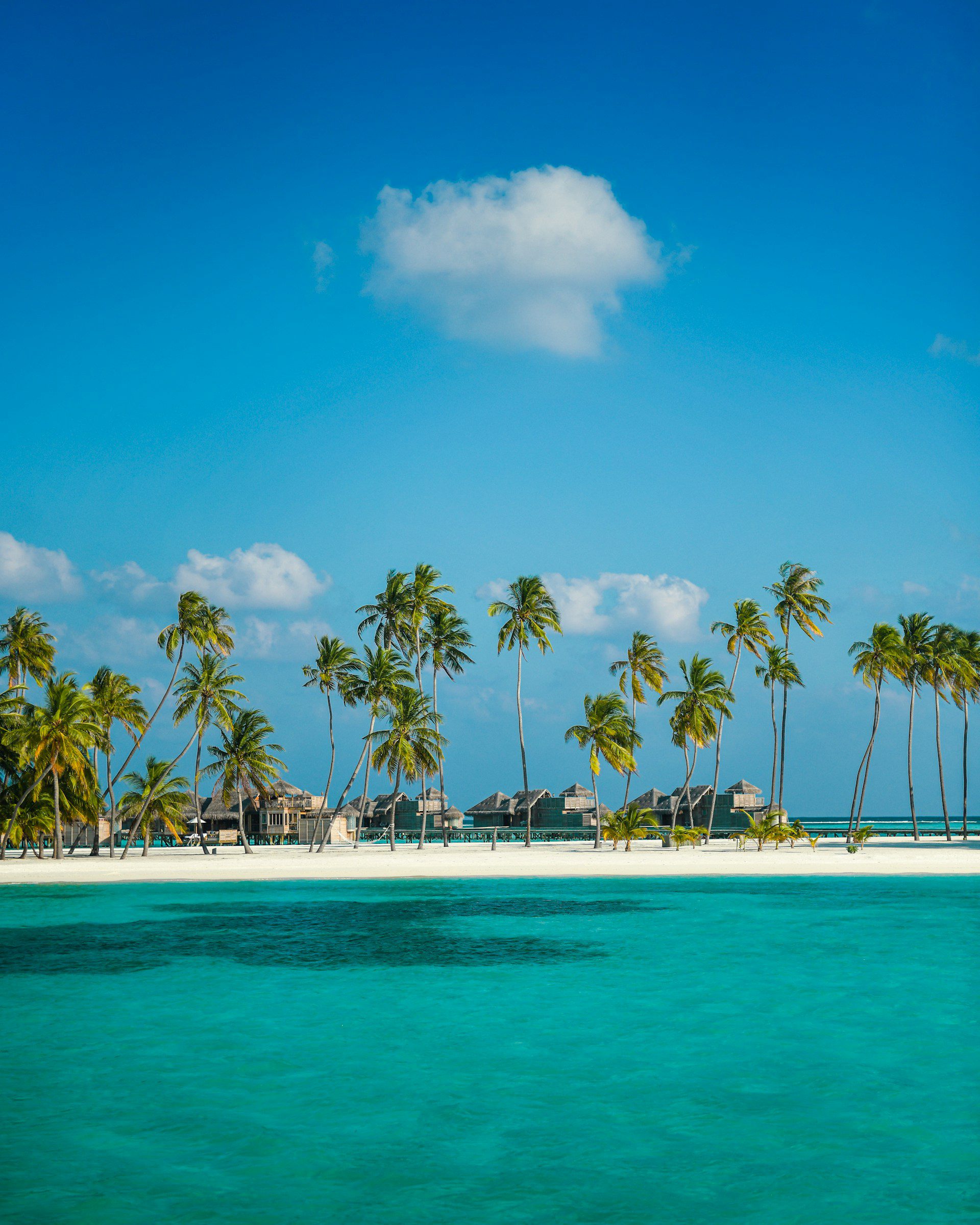
There is a particular kind of stillness that greets you the moment you step off the aircraft in the Maldives: warm, salt-scented air, a horizon with no buildings on it, and water so many shades of blue that your eyes need a moment to sort them out. Getting to that moment, however, takes a little planning. Here is what to know before your first 48 hours unfold.
Arrival at Velana
Almost every visitor arrives through Velana International Airport (MLE) on Hulhulé Island, just a short ferry ride from the capital, Malé. The good news for travellers is that the Maldives grants a free 30-day visa on arrival to nationals of nearly every country, with no advance paperwork required. You will simply need a passport valid for at least one month beyond your stay, proof of onward travel, and confirmation of your resort or guesthouse booking with enough funds for your stay. Immigration officers may ask to see this on your phone, so keep your confirmation email handy rather than buried in an inbox with poor signal.
Choosing your transfer
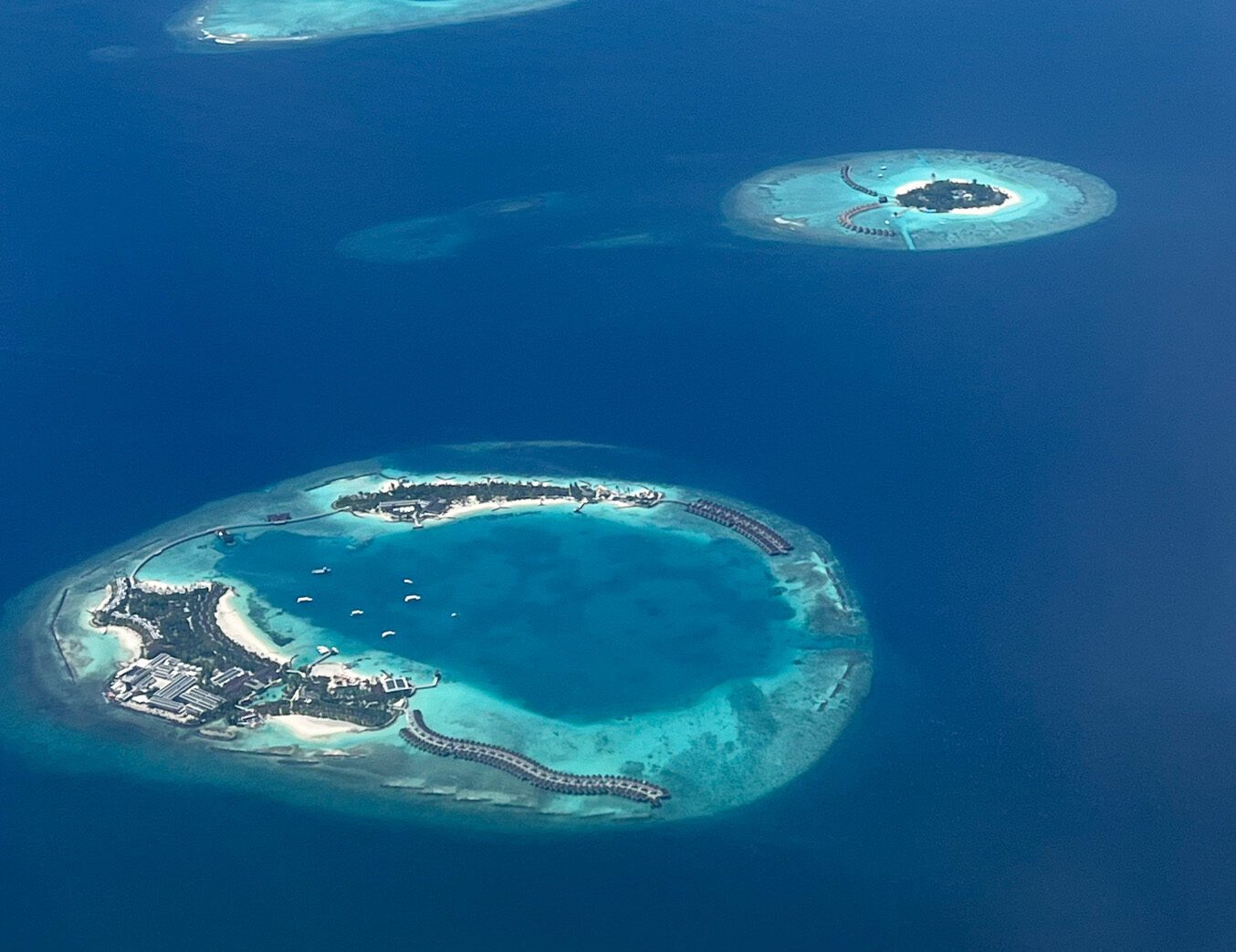
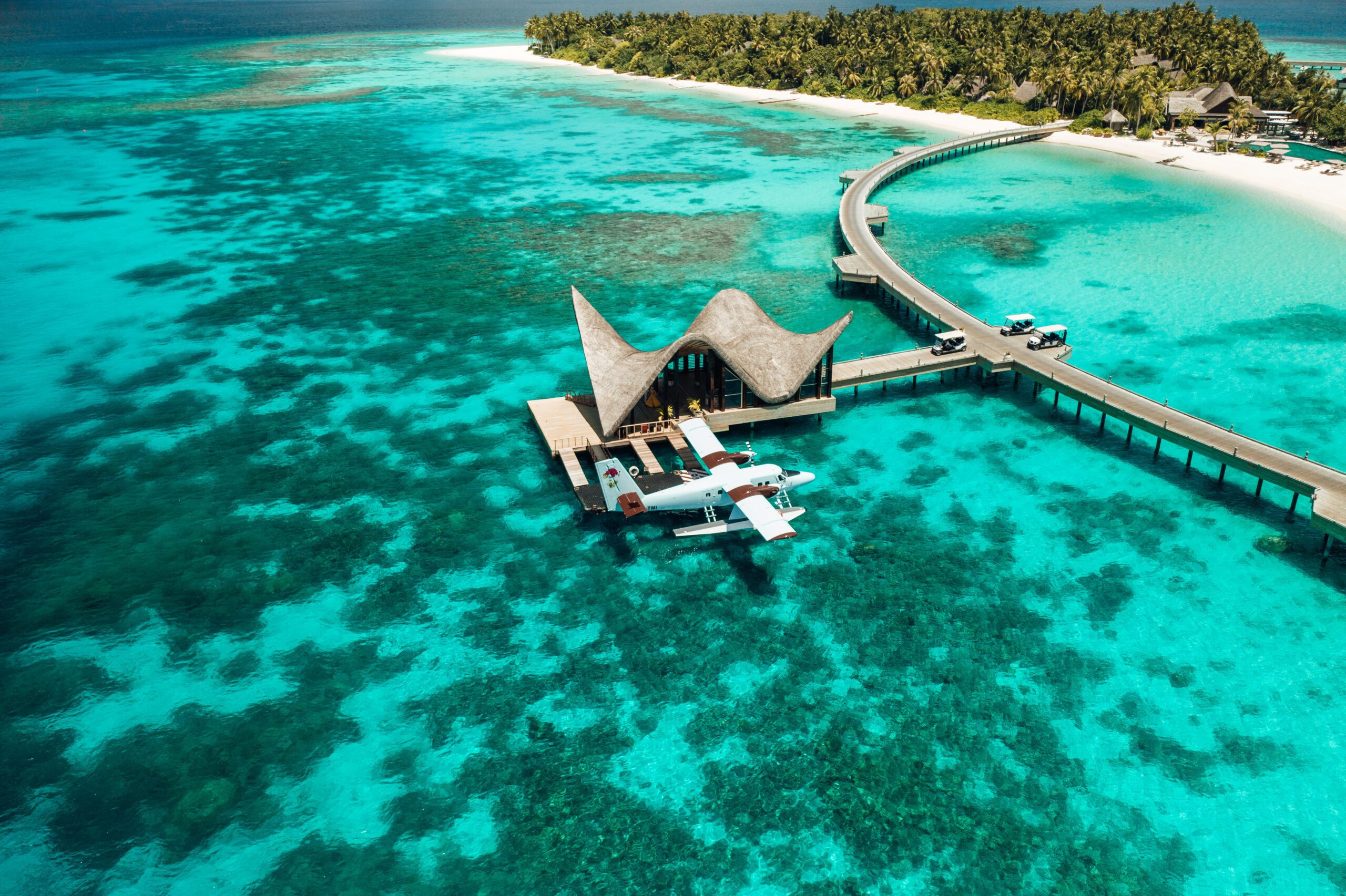
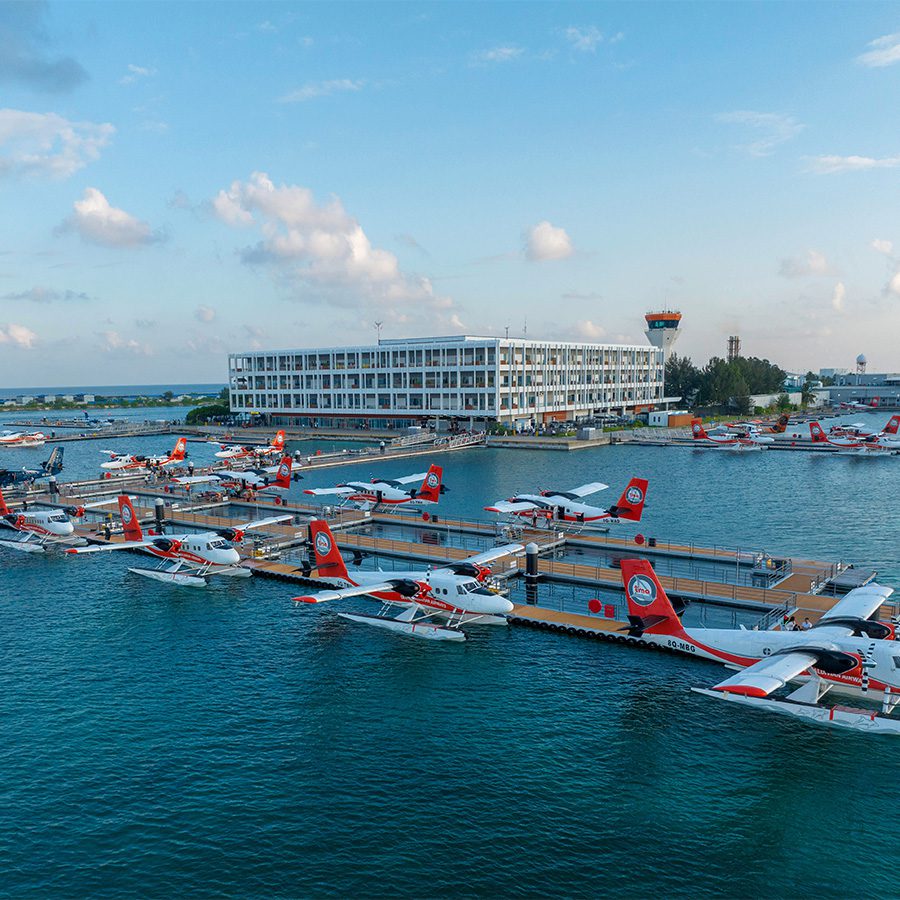
The single most important planning decision you will make is how you get from the airport to your island, because in the Maldives your resort is rarely a place you simply drive to. Transfers fall into three categories: domestic speedboats for islands within roughly 40 minutes of the airport, seaplanes for atolls further afield, and domestic flights connecting to a final speedboat leg for the most remote destinations, such as parts of Addu or Laamu Atoll. Seaplanes are a highlight in themselves, gliding low over reef formations that look like ink drawings on turquoise glass, but they only operate during daylight hours and cannot fly in poor weather, so build a buffer into your arrival day rather than booking a connecting flight for the same evening.
When to travel
Timing your trip matters almost as much as booking it. The dry, northeast monsoon season runs roughly from December to April, bringing the calmest seas, the least rain, and the busiest, priciest resorts. The wetter southwest monsoon, from May to November, brings shorter, more dramatic showers, better surf on the outer atolls, and noticeably better rates. Divers, in particular, should note that manta ray and whale shark sightings actually peak in different seasons depending on which side of the archipelago you visit, so it is worth matching your travel dates to your specific interests rather than assuming one season fits every itinerary.
Currency
Currency is another detail worth settling before you land. The Maldivian rufiyaa is the official currency, but resorts, liveaboards, and most guesthouses price everything in US dollars, and dollars, along with major credit cards, are accepted almost everywhere tourists go. There is little need to carry large amounts of cash, though a small amount of local currency is useful if you plan to explore a local island, where prices are often lower and card machines less common.
Packing for arrival day
Packing for the Maldives is less about volume and more about the right essentials. Reef-safe sunscreen is not just considerate, it is required at many resorts, which have banned oxybenzone and octinoxate to protect the coral gardens just offshore. Lightweight, breathable clothing, a wide-brimmed hat, and a reusable water bottle will serve you well, while modest cover-ups are worth packing if you intend to visit a local island, where swimwear is reserved for designated bikini beaches rather than public areas.
Give arrival day room to breathe
Once you have cleared immigration and are waiting for your onward transfer, resist the urge to rush. Many resorts have comfortable airport lounges with Wi-Fi, showers, and light meals, precisely because arrival day often involves some waiting between flights and boats. Use that time to switch your mindset, because from here, the schedule that matters is the sun’s, not the clock’s.
Arrive unhurried
Arriving well in the Maldives is really about arriving unhurried. Confirm your visa requirements are met, choose a transfer method that fits your resort’s location and your arrival time, pack thoughtfully rather than heavily, and give yourself permission to slow down the moment your feet touch the sand. Everything else — the diving, the sunsets, the impossibly clear lagoons — will still be there waiting.